
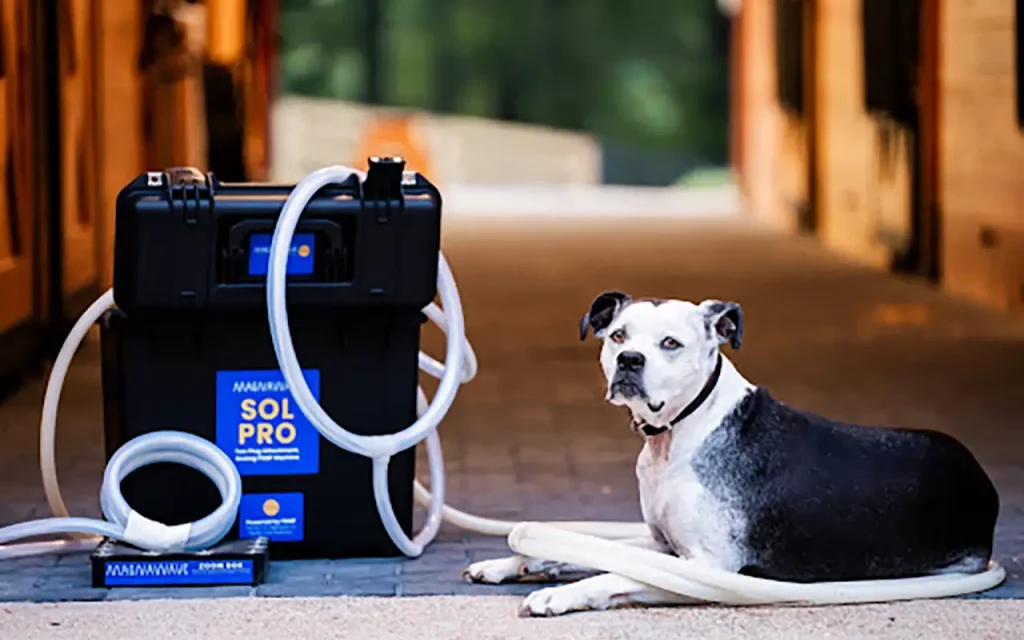
Tick season can bring more than an irritating bite. For horses, dogs, livestock, and other animals, ticks can transmit illnesses that may affect their comfort, energy levels, mobility, and overall well-being.
Lyme disease is one of the most recognized tick-borne illnesses, but animals may also be exposed to diseases such as anaplasmosis, ehrlichiosis, and Rocky Mountain spotted fever, depending on the species and geographic region.
When an animal becomes sick from a tick-borne illness, veterinary care is essential. MagnaWave PEMF does not treat or eliminate the infection responsible for a tick-borne disease. Instead, PEMF may be incorporated into an animal’s veterinarian-directed recovery and wellness plan to support comfort, mobility, and normal body function.
What Are Tick-Borne Illnesses?
Tick-borne illnesses occur when an infected tick transmits a pathogen to an animal while feeding. Different tick species can carry different bacteria, parasites, and other disease-causing organisms.
Lyme disease, for example, is caused by bacteria belonging to the genus Borrelia and is transmitted by infected ticks. It can affect dogs, horses, cats, and other animals.
The symptoms associated with tick-borne illnesses vary significantly depending on the disease and species involved. In dogs with clinical Lyme disease, common signs can include:
- Intermittent or shifting lameness
- Fever
- Lethargy
- Decreased appetite
- Swollen or painful joints
- Enlarged lymph nodes
Lyme disease can present differently in horses. Documented manifestations can include neurological abnormalities, uveitis, nuchal bursitis, and certain skin abnormalities. Importantly, many dogs and horses that test positive for exposure to Lyme-causing bacteria never develop clinical signs.
That’s one reason proper veterinary testing and diagnosis are so important.
Veterinary Care Comes First
If you suspect your animal has a tick-borne illness, contact your veterinarian.
Diagnosing Lyme disease and other tick-borne conditions isn’t always as straightforward as finding a tick or receiving a positive antibody test. Veterinarians may consider the animal’s history, symptoms, laboratory findings, potential exposure, other possible conditions, and response to treatment.
For animals with clinical Lyme disease, veterinary treatment typically includes antimicrobial medication, with pain management and other supportive therapies used when necessary.
PEMF should never be presented as a replacement for these treatments.
Instead, MagnaWave can be viewed as another tool within a comprehensive approach to supporting the animal during and after veterinarian-directed care.
Where Can MagnaWave PEMF Fit Into Recovery?
An animal recovering from illness may not immediately return to its usual activity level.
Depending on the illness and how the individual animal was affected, stiffness, discomfort, decreased activity, or changes in mobility may be part of the recovery process.
This is where supportive wellness modalities such as MagnaWave PEMF may have a role.
1. Supporting Comfort
Comfort can have a major impact on an animal’s quality of life, particularly when joint or musculoskeletal discomfort is involved.
Veterinary research into PEMF continues to develop. Recent randomized studies involving dogs with osteoarthritis have reported improvements in measures related to pain and, in some studies, mobility or gait following PEMF therapy. These studies investigated musculoskeletal conditions rather than tick-borne illnesses, so their findings should not be interpreted as evidence that PEMF treats Lyme disease or another infection. However, they help demonstrate why PEMF is being explored as a non-invasive supportive modality for animal comfort.
2. Supporting Mobility
When an animal hasn’t been moving normally because of discomfort or illness, getting back to its regular routine may take time.
PEMF can be incorporated into a broader wellness or rehabilitation program focused on supporting comfortable movement and normal musculoskeletal function.
This can be especially relevant for performance horses, working animals, senior animals, and pets whose daily quality of life is closely connected to comfortable movement.
3. Supporting Normal Muscle Function
Changes in activity can affect more than joints.
An animal that has been resting, compensating for discomfort, or moving differently may experience changes throughout the body. Supporting normal muscle function can therefore become another consideration as the animal gradually returns to its usual routine.
Rather than focusing solely on the area where discomfort is most noticeable, MagnaWave sessions can be incorporated into a whole-animal wellness approach based on the individual animal’s needs.
4. Providing a Non-Invasive Addition to a Wellness Routine
One of the advantages of PEMF is that it is non-invasive.
MagnaWave sessions can be incorporated alongside veterinarian-directed care and other appropriate wellness or rehabilitation practices. The goal isn’t to replace conventional veterinary medicine. It’s to give owners, practitioners, and veterinary professionals another supportive option as they work toward keeping animals comfortable and moving well.
Can MagnaWave Treat Lyme Disease?
No.
This distinction is extremely important.
MagnaWave PEMF should not be used or marketed as a treatment for Lyme disease, anaplasmosis, ehrlichiosis, Rocky Mountain spotted fever, or another tick-borne infection.
PEMF does not replace antibiotics, diagnostic testing, medications, veterinary monitoring, or other treatments prescribed by a veterinarian.
Instead, MagnaWave may be incorporated as supportive care with goals such as promoting comfort and supporting normal muscle function and mobility.
Think of it as supporting the animal — not treating the pathogen.
What If an Animal Still Seems Uncomfortable After Treatment?
Continued or returning symptoms deserve veterinary attention.
For Lyme disease specifically, veterinary guidance notes that persistent clinical signs can warrant investigation for reinfection, another disease process, or an immune-mediated complication.
Don’t assume lingering stiffness, lameness, fatigue, or behavioral changes are simply part of recovery.
If something doesn’t seem right, contact your veterinarian.
Prevention Is Still the Best Strategy
Supporting recovery is important, but reducing tick exposure in the first place is even better.
Tick prevention strategies vary by animal and location but may include veterinarian-recommended tick preventatives, environmental management, routine tick checks, prompt removal of attached ticks, and vaccination where appropriate.
For Lyme disease, prompt tick removal can be particularly important. Merck Veterinary Manual notes that transmission typically requires the tick to remain attached for a period of time, reinforcing the value of regularly checking animals after they’ve been outdoors.
Talk with your veterinarian about the most appropriate tick-prevention strategy for your animal and geographic area.
Recovery Is About the Whole Animal
Recovering from a tick-borne illness isn’t always as simple as finishing a medication and immediately returning to normal.
Every animal is different.
Veterinary treatment should address the disease itself, while the recovery process may also involve rebuilding normal routines, encouraging comfortable movement, supporting musculoskeletal function, and helping the animal return to the activities it enjoys.
That’s where MagnaWave PEMF can become part of the bigger picture.
By incorporating MagnaWave into an appropriate veterinarian-directed wellness or recovery program, owners and practitioners can provide additional support for comfort, mobility, and normal muscle function — while leaving diagnosis and treatment of the underlying tick-borne illness where they belong: with the veterinarian.
Ready to Add MagnaWave to Your Animal’s Wellness Routine?
Whether you’re supporting a performance horse, senior dog, livestock animal, or beloved companion, MagnaWave PEMF offers a non-invasive way to support everyday wellness, comfort, and normal muscle function.
Visit magnawavepemf.com to learn more about MagnaWave PEMF or find a Certified MagnaWave Practitioner near you.
Recovery is rarely about one thing. Comfort support helps an animal get through the slow days, and so does what goes in their feed bucket. That’s why we partner with Silver Lining Herbs, a family-owned company that has been formulating herbal blends for horses and dogs for over 25 years. Their products support overall wellness from within — immune function, digestion, and joint comfort — and many owners use them alongside Pulsed Electromagnetic Field sessions as part of a whole-animal care routine. Talk with your veterinarian about what makes sense for your animal, then shop the Silver Lining Herbs line at magnawavepemf.com.
This information is intended for educational purposes only and is not a substitute for veterinary advice, diagnosis, or treatment. MagnaWave PEMF is not intended to diagnose, treat, cure, or prevent tick-borne disease. Always consult your veterinarian if you suspect your animal is ill.